
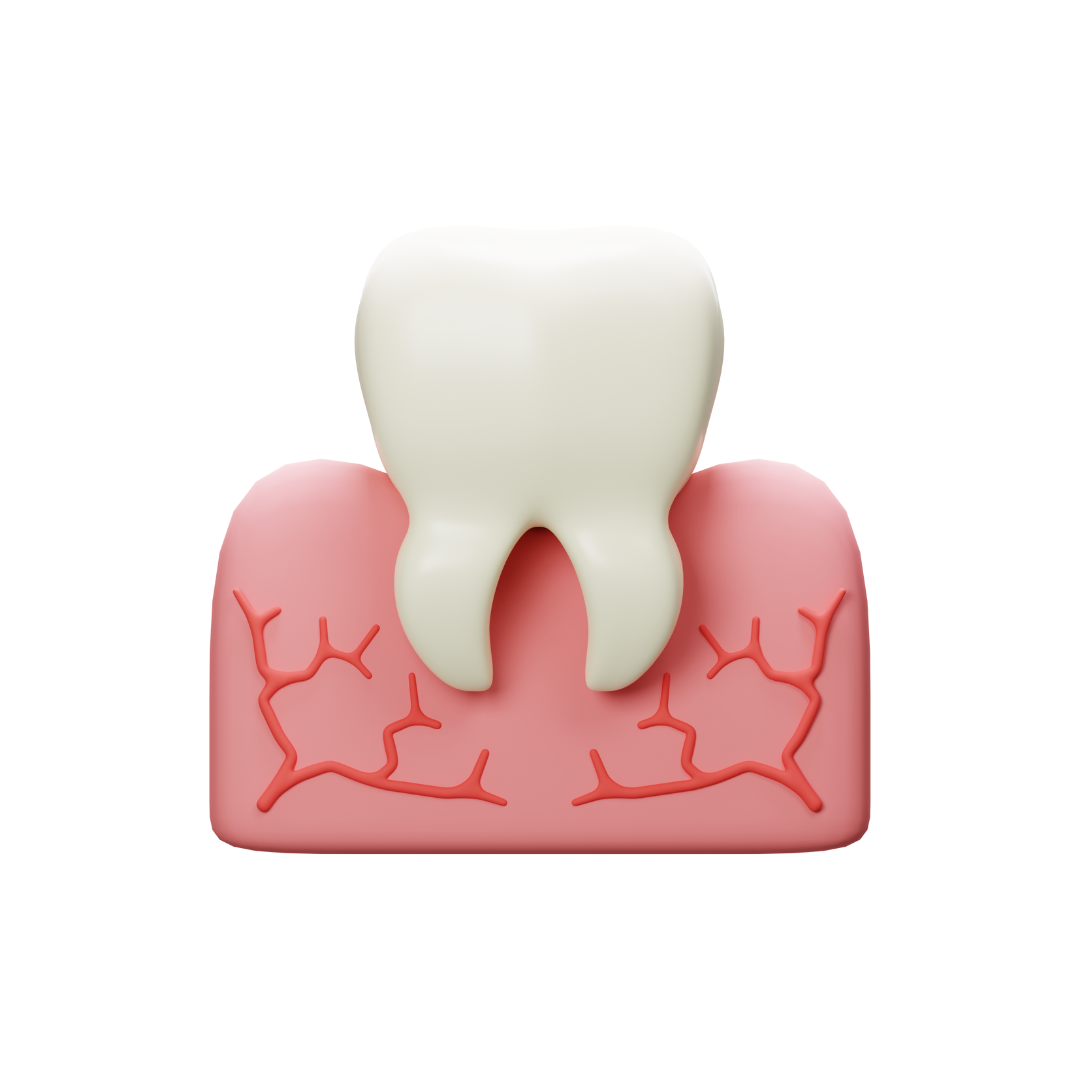
A Complete Guide by Mehrotra Dental Care
Tooth pain can range from mild discomfort to severe, unbearable pain. While not every toothache requires a root canal treatment (RCT), certain symptoms indicate that the inner pulp of your tooth may be infected or damaged. Ignoring these warning signs can lead to serious complications, including tooth loss.
At Mehrotra Dental Care (MDC), Kashipur, we believe that early diagnosis and timely treatment can save your natural tooth and relieve pain effectively.
Let’s explore the 10 most common signs that you may need a root canal treatment.
What is a Root Canal Treatment?
A root canal treatment (RCT) is a procedure used to remove infected or damaged pulp from inside a tooth. The canals are cleaned, disinfected, and sealed to prevent further infection, allowing you to keep your natural tooth instead of having it extracted.
Modern root canal treatment is comfortable, effective, and usually no more painful than getting a filling.
1. Persistent Tooth Pain
One of the most common signs is continuous tooth pain that doesn’t go away.
The pain may:
- Be constant or intermittent
- Worsen while chewing
- Spread to the jaw, ear, or surrounding teeth
- Disturb your sleep
Persistent pain often indicates infection inside the tooth.
2. Sensitivity to Hot or Cold
Do you feel a sharp or lingering pain after drinking hot tea or eating ice cream? If the sensitivity lasts for more than a few seconds after the stimulus is removed, it may indicate irreversible pulp damage requiring root canal treatment.
3. Pain While Chewing
Pain when biting or chewing may indicate inflammation around the root tip or infection inside the tooth. Many patients initially think it’s just “food stuck between teeth,” but persistent discomfort should never be ignored.
4. Swollen or Tender Gums
Swelling near a painful tooth may indicate that the infection has spread beyond the tooth into the surrounding tissues.
You may notice:
- Puffy gums
- Tenderness
- Redness
- A small bump on the gum
5. A Pimple on the Gums
A small boil-like swelling on the gums that releases pus is called a dental abscess or sinus tract.
It may disappear temporarily but usually returns until the infected tooth is treated. This is a strong indication that you need immediate dental care.
6. Tooth Discoloration
If one tooth suddenly becomes grey, dark yellow, or black, it may be due to damage or death of the dental pulp. Discoloration often occurs after trauma or long-standing infection.
7. Cracked or Chipped Tooth
A cracked tooth allows bacteria to enter the pulp chamber. Even if the crack seems minor, bacteria can cause infection over time, eventually leading to the need for a root canal.
8. Deep Tooth Decay
A cavity that has been left untreated can progress through the enamel and dentin into the pulp. Once the infection reaches the pulp, a simple filling is no longer enough, and root canal treatment becomes necessary.
9. Loose Tooth
An infected tooth may feel loose due to inflammation and bone loss around the root. Although gum disease can also cause tooth mobility, an infected pulp is another important cause that should be evaluated promptly.
10. Facial Swelling or Severe Infection
Swelling of the face, jaw, or neck is a dental emergency. If accompanied by fever, difficulty swallowing, or severe pain, seek immediate dental
treatment. Delaying care can allow the infection to spread.
Why Early Treatment Matters
Ignoring these symptoms can lead to:
- Severe infection
- Dental abscess
- Bone loss around the tooth
- Tooth extraction
- Increased treatment cost
Early diagnosis often means simpler, faster, and more predictable treatment.
Is Root Canal Treatment Painful?
This is one of the most common questions patients ask.
The answer is No.
With modern local anaesthesia, digital technology, and advanced instruments, root canal treatment is usually comfortable. Most patients report that the procedure feels similar to getting a routine dental filling.
How Can Mehrotra Dental Care Help?
At Mehrotra Dental Care (MDC), Kashipur, we combine experience with modern technology to provide precise and comfortable root canal treatment.
Our clinic offers:
- Digital X-rays for accurate diagnosis
- Advanced rotary root canal treatment
- CBCT 3D imaging for complex cases
- Single-visit root canal treatment in selected cases
- Personalized treatment plans focused on saving your natural teeth
Frequently Asked Questions (FAQs)
Can a tooth needing a root canal heal on its own?
No. Once the dental pulp is irreversibly infected, professional treatment is required.
How long does a root canal take?
Most treatments are completed in one or two visits, depending on the condition of the tooth.
Is extraction better than a root canal?
Whenever possible, preserving your natural tooth with a root canal is the preferred option.
How long does a root canal-treated tooth last?
With proper oral hygiene and a well-fitted crown when indicated, a treated tooth can last for many years.
Conclusion
A persistent toothache should never be ignored. Recognizing the early signs of infection can help save your natural tooth and prevent unnecessary complications. If you’re experiencing any of these symptoms, don’t wait until the pain becomes unbearable. Early diagnosis can make all the difference.
Book your consultation at Mehrotra Dental Care, Kashipur, and let our experienced team help you protect your smile.
